Buy stopundshop.eu ?
We are moving the project
stopundshop.eu .
Are you interested in purchasing the domain
stopundshop.eu ?
domain@kv-gmbh.de · 0541-91531010
Buy stopundshop.eu ?
Why don't animal cells have cell walls?
Animal cells do not have cell walls because they do not need the rigid structure that cell walls provide. Animal cells rely on other structures, such as the cytoskeleton, for support and shape. Additionally, animal cells need to be able to change shape and move, which would be limited by a rigid cell wall. Instead, animal cells have a flexible cell membrane that allows for movement and communication with other cells. **
What is the difference between the cell walls of trees and leaves?
The main difference between the cell walls of trees and leaves lies in their composition and structure. The cell walls of trees are made up of a complex network of cellulose, hemicellulose, and lignin, which provide strength and support to the tree. In contrast, the cell walls of leaves are thinner and contain fewer lignin, making them more flexible and allowing for gas exchange and photosynthesis. Additionally, the cell walls of leaves may also contain specialized structures such as stomata and chloroplasts, which are essential for their functions in photosynthesis and transpiration. **
Similar search terms for Cell walls
Top-Angebote
Products related to Cell walls:

-
For secondary walls, the plant cell can produce substances. Which of the ones mentioned in the image are possible?
For secondary walls, the plant cell can produce substances such as lignin, cellulose, and hemicellulose. These substances are important for providing structural support and rigidity to the cell wall. Lignin, in particular, is a key component of secondary walls and helps make them more rigid and impermeable to water. Cellulose and hemicellulose are also important for providing strength and flexibility to the cell wall. **
-
For secondary walls, the plant cell can produce substances. Which of those mentioned in the image are possible options?
For secondary walls, the plant cell can produce substances such as lignin, cellulose, hemicellulose, and pectin. These substances are important components of the secondary cell wall and provide structural support and rigidity to the plant cell. Lignin, in particular, is a key component that helps make the cell wall waterproof and resistant to degradation. **
-
For secondary walls, the plant cell can produce substances. Which of the substances mentioned in the image are possible options?
For secondary walls, the plant cell can produce substances such as lignin, suberin, and cutin. These substances are mentioned in the image as components of secondary walls. Lignin provides structural support and waterproofing, while suberin and cutin act as barriers against water loss and pathogens. These substances are essential for the strength and protection of secondary walls in plant cells. **
-
Can martens climb walls?
Yes, martens are skilled climbers and are known to climb trees and other vertical surfaces with ease. They have sharp claws and strong limbs that help them climb walls and navigate through their forest habitats. Martens are agile and nimble creatures, allowing them to move swiftly and efficiently in their environment. **


What are clay walls?
Clay walls are walls made from a mixture of clay, sand, and water that is typically used in traditional construction methods. The mixture is molded into bricks or blocks and then stacked and secured together to form walls. Clay walls are known for their durability, thermal insulation properties, and sustainability as clay is a natural and abundant material. These walls are commonly found in regions where clay is readily available and have been used for centuries in various cultures around the world. **
Are brick walls soundproof?
Brick walls are not completely soundproof, but they do provide better sound insulation compared to other types of walls. The thickness and density of the brick, as well as any additional insulation or materials used in construction, will impact how much sound can pass through. While brick walls can help reduce noise transmission, they may not completely block out all sounds. **
Top-Angebote
Products related to Cell walls:
-
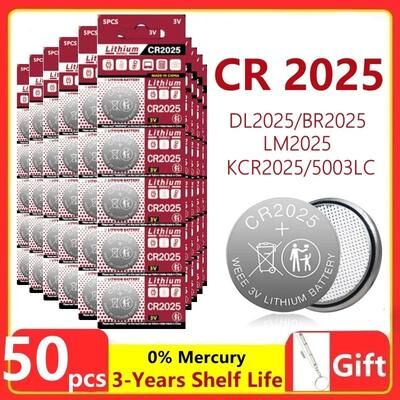
Uplifted Goods CR2025 3V Lithium Coin Cell Batteries For Watches And Electronics 50pcsKeep your devices powered with the CR2025 3V Lithium Coin Cell Batteries. These reliable and longlasting batteries are perfect for watches, calculators, toys, car remotes, and other small electronics. Designed for safety and consistent performance,...75,97 $*Shipping: 0,00 $Secure redirect to the provider
-
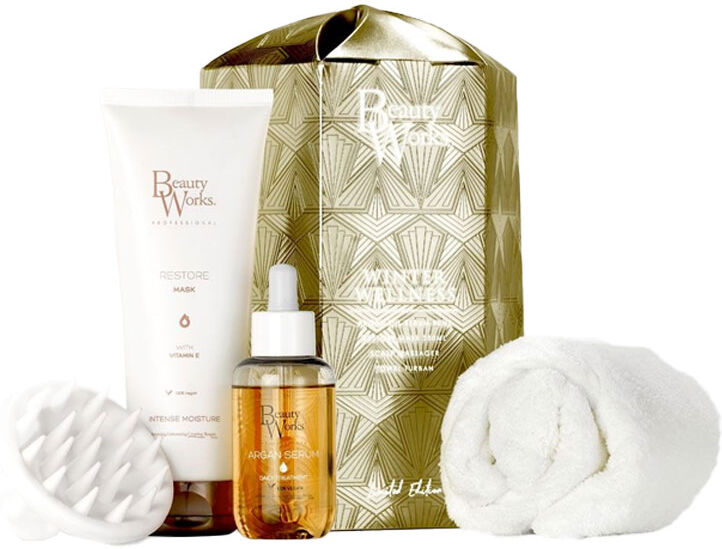
Beauty Works Winter Wellness (Worth £41.98)Restore and revive your hair with the Beauty Works Winter Wellness Gift Set. Featuring Beauty Works Restore Mask, Argan Serum, Towel Turban, and Scalp Massager for ultimate hydration, shine, and relaxation. Perfect for winter hair care! This set includes: Restore Mask 250ml: Revive dry, dehydrated hair in just 10 minutes. This Beauty Works Restore Mask in 250ml is a must have addition to your haircare routine - if you're looking for a fast acting treatment that rejuvenates and hydrates your locks then you've found it! Argan Serum 90ml: A hair oil that will have you coming back for more... Healthy looking and feeling hair in seconds, the Beauty Works Argan Oil Serum 90ml has been specially formulated to rejuvenate your locks whenever you need. Towel Turban Scalp Massager Ingredients Aqua [Water], Cetearyl alcohol, Propylene glycol, Behentrimonium chloride, Cetyl esters, Glyceryl stearate, Paraffin, Amodimethicone, Phenyl trimethicone, Sesamum indicum (Sesame) seed oil, Copernicia cerifera cera [Copernicia cerifera (Carnauba) wax], Glycerin, Parfum [Fragrance], Phenoxyethanol, Euphorbia cerifera cera [Euphorbia cerifera (Candelilla) wax], PEG-40/PPG-8 methylaminopropyl/Hydroxypropyl dimethicone copolymer, Lactic acid, PEG-8, Trideceth-10, Dipropylene glycol, Cetrimonium chloride, Hexyl cinnamal, Hydrolyzed Verbascum Thapsus Flower, Hydrolyzed chestnut extract, Hydrolyzed walnut extract, Linalool, PEG-8/SMDI copolymer, Palmitoyl myristyl serinate, Sodium polyacrylate, Citric acid, Methylchloroisothiazolinone, Methylisothiazolinone, Sodium benzoate, Potassium sorbate Cyclopentasiloxane, Dimethiconol, C13-14 isoparaffin, Alcohol denat., Parfum [Fragrance], Argania spinosa kernel oil, Methyl hydrogenated rosinate, Hexyl cinnamal, Citronellol, CI 47000 [Yellow 11], CI 26100 [Red 17]24,50 £*Shipping: 0,00 £Secure redirect to the provider
-
Why don't animal cells have cell walls?
Animal cells do not have cell walls because they do not need the rigid structure that cell walls provide. Animal cells rely on other structures, such as the cytoskeleton, for support and shape. Additionally, animal cells need to be able to change shape and move, which would be limited by a rigid cell wall. Instead, animal cells have a flexible cell membrane that allows for movement and communication with other cells. **
-
What is the difference between the cell walls of trees and leaves?
The main difference between the cell walls of trees and leaves lies in their composition and structure. The cell walls of trees are made up of a complex network of cellulose, hemicellulose, and lignin, which provide strength and support to the tree. In contrast, the cell walls of leaves are thinner and contain fewer lignin, making them more flexible and allowing for gas exchange and photosynthesis. Additionally, the cell walls of leaves may also contain specialized structures such as stomata and chloroplasts, which are essential for their functions in photosynthesis and transpiration. **
-
For secondary walls, the plant cell can produce substances. Which of the ones mentioned in the image are possible?
For secondary walls, the plant cell can produce substances such as lignin, cellulose, and hemicellulose. These substances are important for providing structural support and rigidity to the cell wall. Lignin, in particular, is a key component of secondary walls and helps make them more rigid and impermeable to water. Cellulose and hemicellulose are also important for providing strength and flexibility to the cell wall. **
-
For secondary walls, the plant cell can produce substances. Which of those mentioned in the image are possible options?
For secondary walls, the plant cell can produce substances such as lignin, cellulose, hemicellulose, and pectin. These substances are important components of the secondary cell wall and provide structural support and rigidity to the plant cell. Lignin, in particular, is a key component that helps make the cell wall waterproof and resistant to degradation. **
Similar search terms for Cell walls
-
Lush Living Finds Disney Pink Valentine's Day Mouse Heart Bow Sticker, Decorative Sticker For Doorways Walls Home Disney Pink Valentine's Day Mouse Heart Bow Sticker, Decorative Sticker For Doorways Walls HomeCharming Disney Pink Decor for Any Space Elevate your home with the adorable Mouse Heart Bow Sticker. Inspired by Disney, this pink Valentine's Day decorative sticker brings a playful, heartwarming touch to your walls, windows, doorways, or mirrors....39,97 $*Shipping: 0,00 $Secure redirect to the provider
-
Classic Touch Square Mirror Tray with Silver WallsThis sleek square mirror tray with its silver walls adds a hint of class to any room. Its reflective surface and sleek colored walls complete any decor, while the fair shape allows for versatile use.98,49 $*Shipping: 0,00 $Secure redirect to the provider
-
For secondary walls, the plant cell can produce substances. Which of the substances mentioned in the image are possible options?
For secondary walls, the plant cell can produce substances such as lignin, suberin, and cutin. These substances are mentioned in the image as components of secondary walls. Lignin provides structural support and waterproofing, while suberin and cutin act as barriers against water loss and pathogens. These substances are essential for the strength and protection of secondary walls in plant cells. **
-
Can martens climb walls?
Yes, martens are skilled climbers and are known to climb trees and other vertical surfaces with ease. They have sharp claws and strong limbs that help them climb walls and navigate through their forest habitats. Martens are agile and nimble creatures, allowing them to move swiftly and efficiently in their environment. **
-
What are clay walls?
Clay walls are walls made from a mixture of clay, sand, and water that is typically used in traditional construction methods. The mixture is molded into bricks or blocks and then stacked and secured together to form walls. Clay walls are known for their durability, thermal insulation properties, and sustainability as clay is a natural and abundant material. These walls are commonly found in regions where clay is readily available and have been used for centuries in various cultures around the world. **
-
Are brick walls soundproof?
Brick walls are not completely soundproof, but they do provide better sound insulation compared to other types of walls. The thickness and density of the brick, as well as any additional insulation or materials used in construction, will impact how much sound can pass through. While brick walls can help reduce noise transmission, they may not completely block out all sounds. **
* All prices are inclusive of VAT and, if applicable, plus shipping costs. The offer information is based on the details provided by the respective shop and is updated through automated processes. Real-time updates do not occur, so deviations can occur in individual cases. ** Note: Parts of this content were created by AI.